Access to Specialized Talent: Why Fractional Teams Beat Generalist Hires
Design · 5 min read
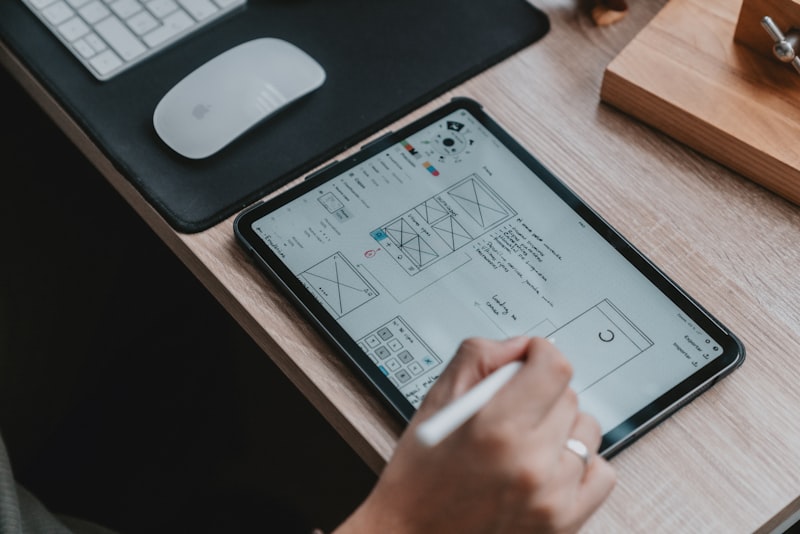
Most product organizations need deep skills at specific moments: a complex accessibility audit before launch, motion design to improve conversion, or ethnographic research to unlock new user segments. Hiring full-time specialists for these episodic needs is expensive and inefficient. Fractional teams solve this by offering on-demand specialists who slot into existing squads for the lifecycle needed.
This modularity reduces opportunity cost. Instead of underutilizing a senior accessibility engineer between projects, subscription access lets teams buy expertise only when it moves the needle. It also shortens hiring cycles—fractional teams can deploy a specialist within days, not months, which is critical when timelines are tight and feature flags loom.
Specialization also drives quality. Practitioners who rotate across products accumulate a broader pattern library and more nuanced heuristics. That experience translates into faster diagnoses and higher-fidelity solutions than a generalist who learns by trial and error inside a single company.
Organizations that succeed with fractional specialists treat them as integrated teammates: shared sprint boards, clear deliverables, and consistent review cadences. When combined with an internal generalist who manages day-to-day user-facing polish, fractional specialists become force multipliers rather than temporary contractors.