Analyzing the Design of Canva: User-Centric Graphic Design Tool
Design · 6 min read
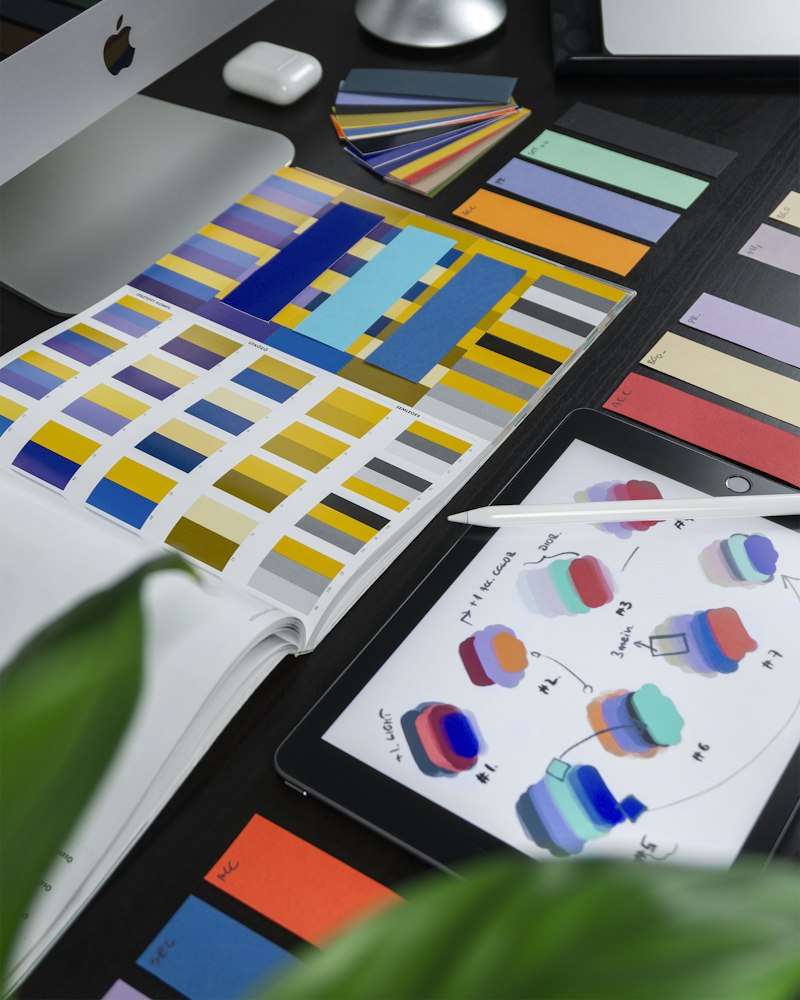
Canva has democratized graphic design by providing a user-friendly platform that empowers individuals with varying degrees of experience. The interface is designed to be intuitive, with drag-and-drop functionality that simplifies the design process. Users can create stunning visuals without the steep learning curves often associated with traditional design software.
One of Canva’s standout features is its extensive library of templates and design elements. These resources make it easy for users to start from a solid foundation, ensuring their creations are polished and professional. This accessibility appeals to a broad audience—marketers, educators, and casual users alike—making design feel approachable.
Collaboration features enhance Canva’s utility, allowing teams to work on projects in real-time. Users can leave comments and suggestions, further promoting teamwork while creating. This aspect of the design fosters a sense of community and encourages users to share their projects, enhancing engagement on the platform.
In conclusion, Canva’s design exemplifies how user-centered approaches can foster creativity and productivity. This case study offers insights for designers seeking to build accessible and collaborative design tools that cater to diverse audiences.