Burst Capacity: Why Fractional Design Teams Win for Seasonal and Sprint-Driven Work
Design · 5 min read
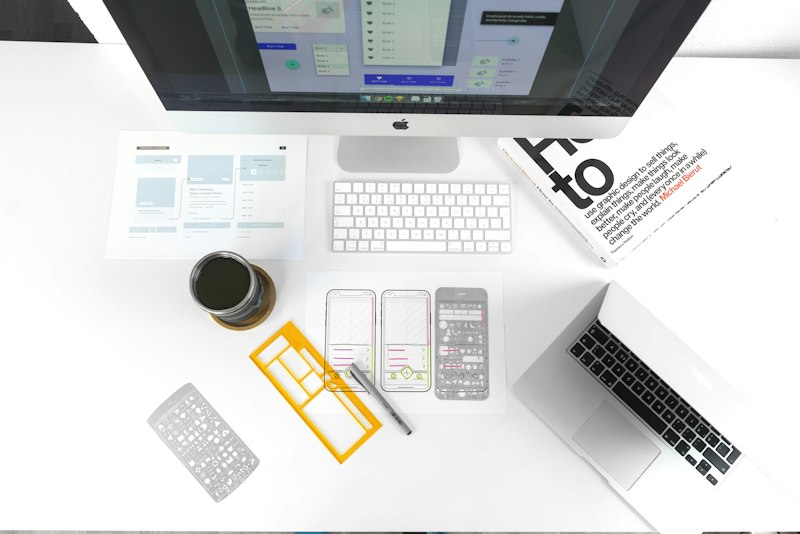
Design work rarely moves at a steady pace. Many companies experience peaks around launches, access requests for new features, or design debt sprints that require sudden spikes in specialist time. A fractional or subscription design team provides capacity on demand: senior designers, product designers, motion designers, and researchers can be added or scaled down to match a roadmap sprint without the lag of hiring cycles.
This elasticity also lets in-house product managers and engineers avoid the overhead of bench management. Instead of managing internal resource constraints, teams can run fixed-scope discovery sprints with external designers, iterate quickly, and hand off artifacts ready for engineering. That reduces context-switching and keeps roadmaps on schedule during busy quarters.
The trade-off is continuity. For product ecosystems that need long-term stewardship of design systems, navigation of regulatory UX, or deep knowledge of user personas over years, the subscription model must be supplemented with retained designers, turnover controls, and thorough documentation. The best-performing organizations mix a small core of in-house design leadership with a flexible external bench to get both speed and long-term coherence.