Creating Accessible Digital Workspaces for Remote Teams
Design · 6 min read
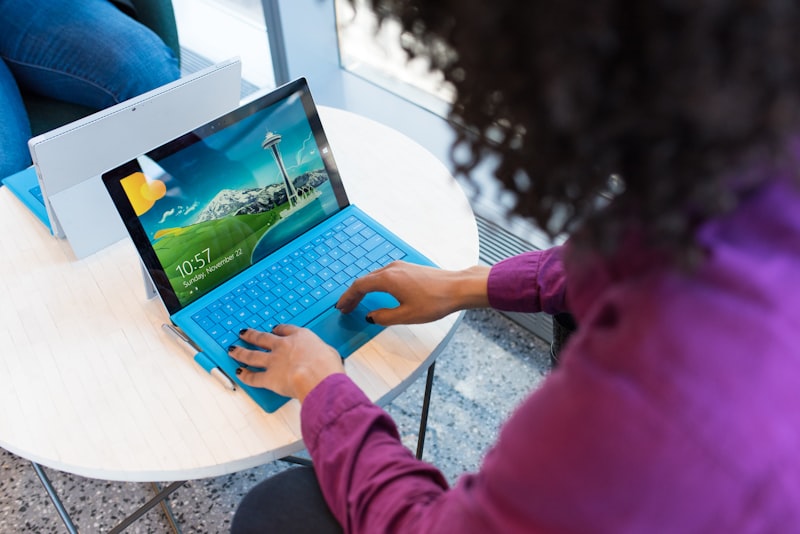
The shift to remote work has created unique challenges in terms of accessibility and inclusivity. As organizations adapt to this new normal, there is a pressing need to ensure that digital workspaces are designed with everyone in mind, including employees with disabilities.
When designing digital work environments, teams must consider various factors that can influence inclusivity. From the selection of virtual collaboration tools to the configuration of communication platforms, every detail matters. For instance, providing captioning services during video calls can make information more accessible for hearing-impaired employees. Furthermore, using structured layouts that accommodate screen readers enhances navigation for visually impaired users.
Additionally, fostering a culture of accessibility requires awareness and training for all employees. Organizations should provide resources and education to help team members understand the needs of their colleagues with disabilities. This will create an environment of empathy and support, enabling teams to collaborate more effectively and harmoniously.
As we move forward with hybrid work models, accessibility should be a priority in any organization's digital strategy. By embracing inclusive design principles, companies can cultivate a more equitable and productive work environment that empowers all employees to thrive.