Creating Inclusive Online Communities Through Design Systems
Design · 6 min read
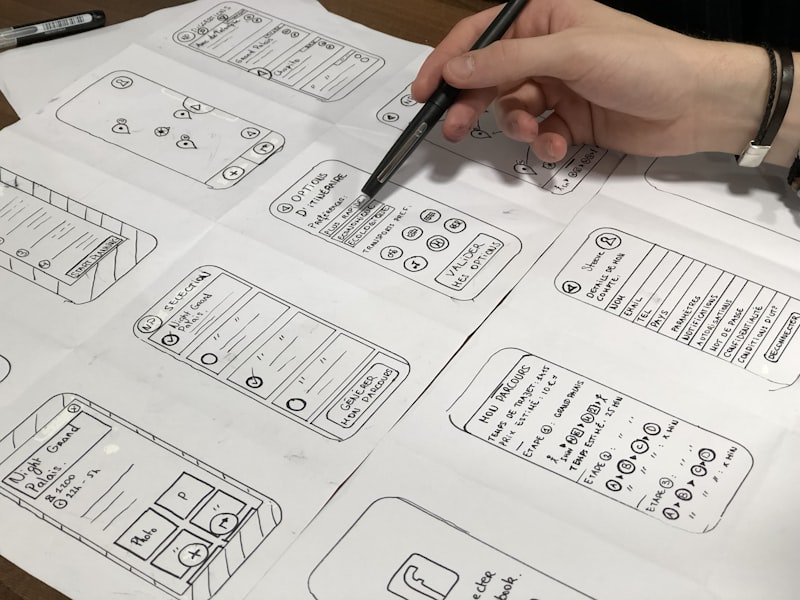
Online communities can be spaces where individuals from diverse backgrounds come together, share ideas, and support one another. However, ensuring that these digital spaces are inclusive requires thoughtful consideration during the design process. Design systems play a crucial role in establishing environments that promote accessibility and inclusivity.
By integrating inclusive practices into a design system, community managers and designers can create user interfaces that cater to varied needs, ensuring that no one feels marginalized. Features like customizable text sizes, alternative text for images, and clear navigation can enhance user experiences and make participation easier for everyone, regardless of ability.
Furthermore, design systems can embed guidelines for moderation and behavioral standards, which are vital for fostering a safe and welcoming atmosphere. By prioritizing user feedback and addressing issues of toxicity or exclusion, communities can cultivate a sense of belonging that encourages active participation and collaboration.
In an age where online communities are becoming increasingly significant, leveraging design systems that prioritize accessibility and inclusivity is essential. By reinforcing these values, we can create spaces where everyone's voice matters and contribute meaningfully to ongoing discussions in various fields.