Exploring Accessibility Features in Game UI Design
Design · 6 min read
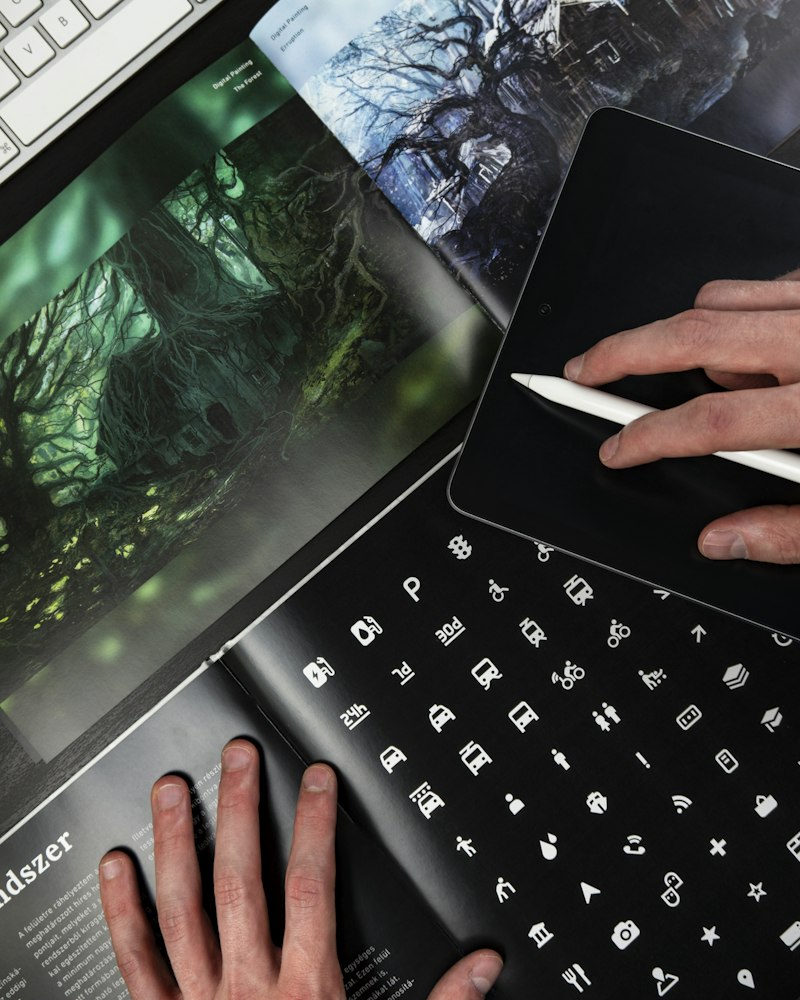
As the gaming industry evolves in 2026, accessibility in UI design has become a focal point for developers and designers alike. With an expanding player base that includes individuals with disabilities, the demand for inclusive gaming experiences is prompting a reexamination of traditional UI elements.
Developers are increasingly integrating features such as customizable controls, text-to-speech options, and haptic feedback tailored for various disabilities. These enhancements allow gamers with different needs to enjoy gaming experiences on equal footing with their peers. UI design now emphasizes clear navigation and information presentation, reducing barriers that may have existed in previous generations.
One of the standout implementations is the advent of adaptive UIs that adjust to an individual player's needs. By leveraging AI, games can learn user preferences and automatically adjust options such as font sizes or color contrasts to enhance visual accessibility. This user-driven approach fosters a sense of belonging and engagement within the gaming community.
As awareness of accessibility grows, game designers will likely continue to innovate, ensuring that gaming remains an inclusive space for all players. With the exciting advancements in technology, the potential for creating comprehensive and engaging gaming experiences for everyone has never been clearer.