Exploring the Shift to Remote Design Collaborations
Design · 6 min read
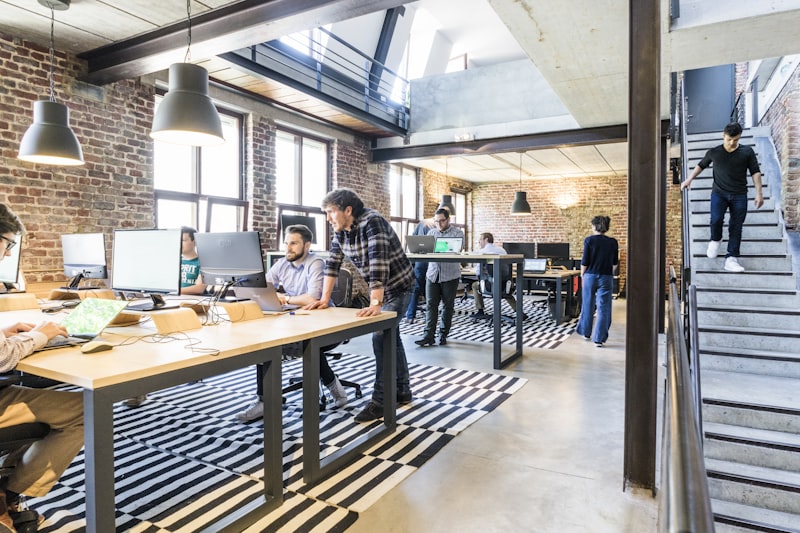
The design industry's transition to remote work has necessitated a reevaluation of how teams collaborate on projects. With designers spread across various locations, traditional in-person brainstorming sessions and feedback loops have been replaced by digital collaboration tools. This shift has led to both new opportunities and challenges in how design teams communicate and innovate.
As remote work becomes the norm, designers are leveraging tools like Figma, Miro, and Slack to facilitate real-time collaboration and project management. These platforms allow teams to share ideas, provide feedback, and iterate on designs despite geographical barriers. In many cases, the remote setup has led to enhanced participation from team members, allowing for a more diverse range of input and perspectives on design projects.
However, remote design collaboration also requires a rethinking of communication protocols and deadlines. Teams must establish clear channels and guidelines for feedback to avoid misunderstandings and ensure a cohesive design vision. Building a culture of trust and collaboration is essential for remote teams to thrive, and proactive measures must be taken to foster connections and engagement among team members.
In conclusion, the shift to remote design collaborations is reshaping how design teams work and innovate. Embracing the right tools and establishing frameworks for effective communication will be crucial in navigating this new landscape while maximizing the advantages of diverse collaboration.