Figma Multiplayer: Real-Time Collaboration Design and Systems Teardown
Design · 6 min read
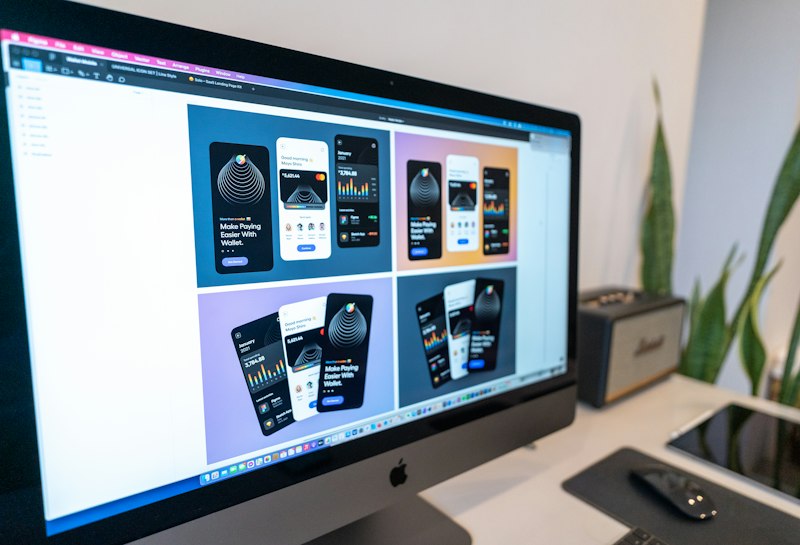
Figma’s multiplayer experience is anchored in live cursors, presence indicators, and an optimistic sync model that minimizes latency perception. On the interaction layer, visible collaborators reduce the coordination burden: avatars, selection highlights, and a follow mode let designers work together without stepping on each other’s cursors. The UI intentionally mirrors physical co-working affordances to make remote collaboration feel intuitive.
Under the hood, Figma uses operational transform or CRDT-like approaches to reconcile concurrent edits on vector objects and text. The system prioritizes deterministic outcomes, sensible merge heuristics, and a lightweight history model. This reduces edit conflicts and makes undo/redo semantics reliable across distributed sessions.
Design-wise, Figma integrates permissions, versioning, and comment threads in context so conversation and artifacts remain bound together. Plugins and cross-file components extend the environment but are surfaced in consistent ways to avoid breaking the real-time mental model. The teardown shows how technical infrastructure and interaction design cohere to create a low-friction collaborative design surface.