Figma's 2026 Multiplayer Shift: Collaborative UX Case Study
Design · 6 min read
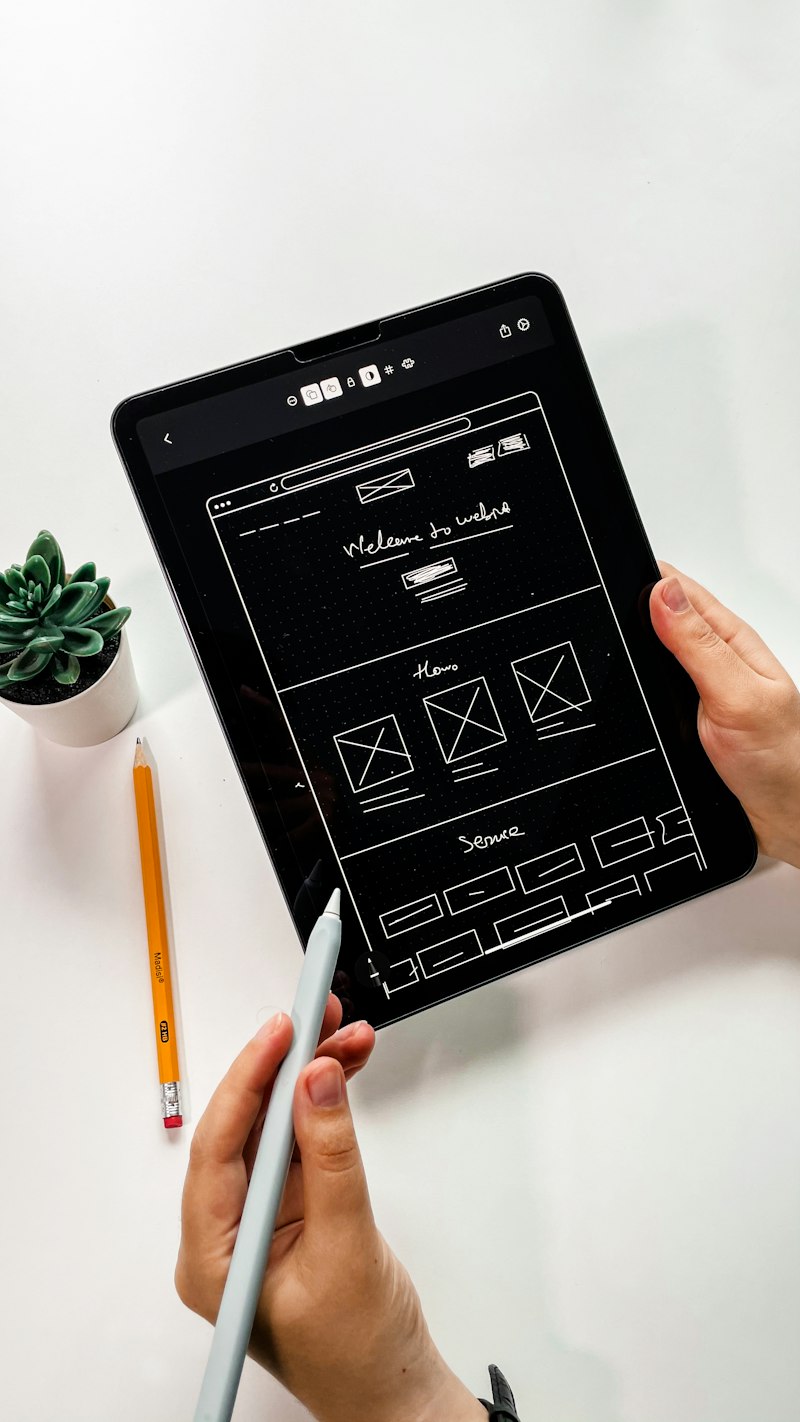
Figma's updated multiplayer model introduced micro-presence states and intention signals that help teams coordinate without explicit messages. Instead of a single live cursor and name tags, Figma now surfaces lightweight intent pings when a teammate hovers over an object, begins text editing, or starts a selection block. These cues are ephemeral and designed to lower the threshold for synchronous collaboration while avoiding visual clutter.
Technically, the product moved from purely operational transform–style syncing to a hybrid CRDT layer with intent resolution heuristics. This reduces conflicts in high-concurrency scenarios like enterprise workshops. The design team also introduced silent mode toggles and activity buckets so designers can split between co-editing and solo iteration without losing file context.
From a workflow angle, the new multiplayer encourages role-driven sessions: review, build, and handoff. Each mode adjusts permission defaults, event noise, and live comments. The result is more predictable collaboration patterns and fewer accidental overrides — but it also requires teams to learn the new session mental model. We conclude with recommended UI patterns firms should adopt when integrating Figma into cross-disciplinary workflows.