Figma's Collaborative Editor: Real-Time Interaction Design and Conflict Resolution
Design · 6 min read
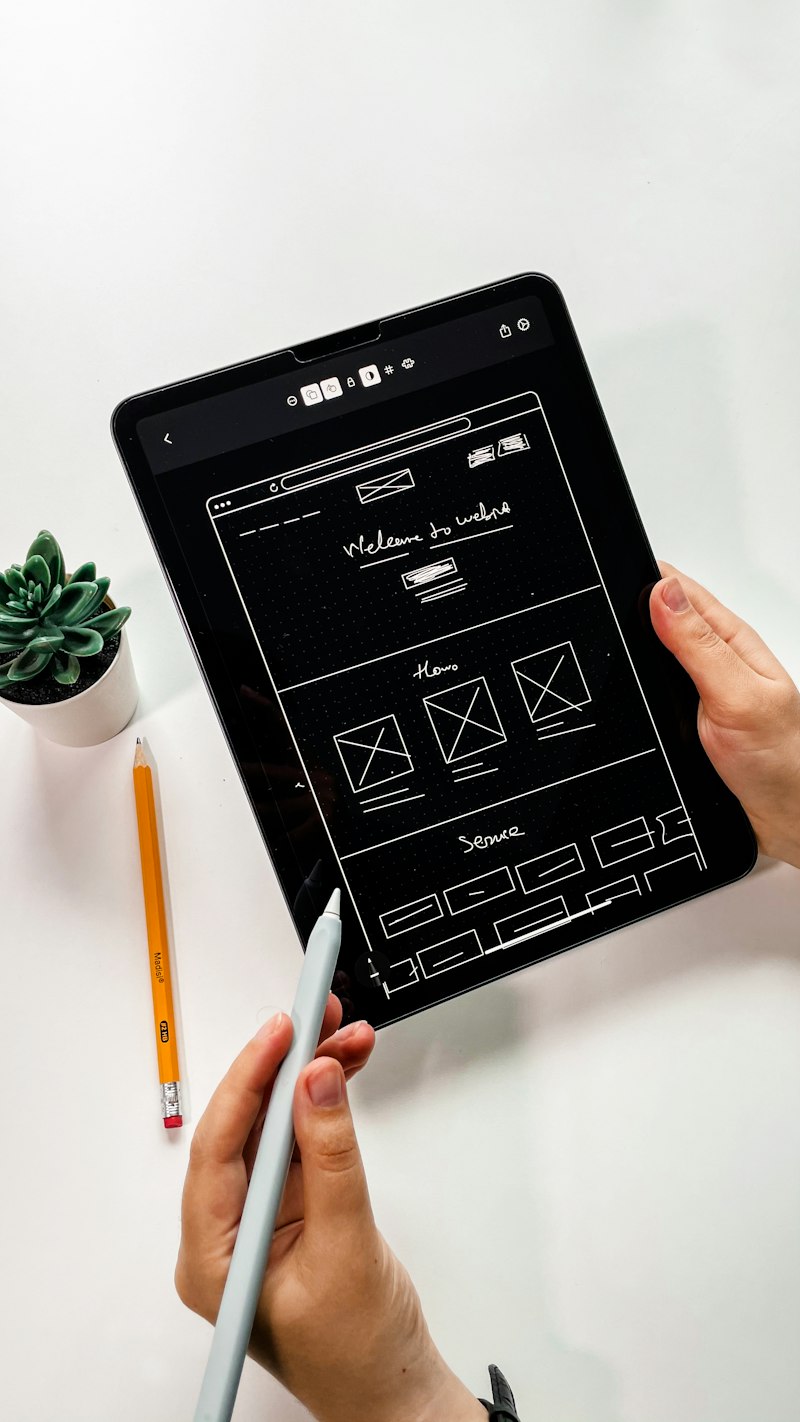
Figma's real-time presence model makes collaboration visible and predictable: avatars, live cursors, and edit history create social affordances that reduce accidental overwrites. The app uses optimistic updates with per-object locking semantics for operations where conflicts are likely, maintaining low latency while preventing destructive edits.
Conflict resolution is handled through granular versioning and a clear undo timeline. Designers can branch, propose changes, and review diffs with contextual annotations, turning what used to be file-based handoffs into continuous workflows. Collaboration extends into plugins and components, where shared libraries ensure consistency but require governance to prevent design drift.
Figma balances realtime freedom with guardrails: component properties, variant systems, and design tokens let teams enforce patterns without restricting ad-hoc experimentation. This combination supports scaling from single designers to large, cross-functional teams while preserving the fluidity of live co-editing.
Product teams building collaborative editors should focus on presence signaling, low-latency feedback, and robust version control that feels integrated rather than an afterthought.