Figma's Multiplayer Collaboration: Interaction Teardown
Design · 5 min read
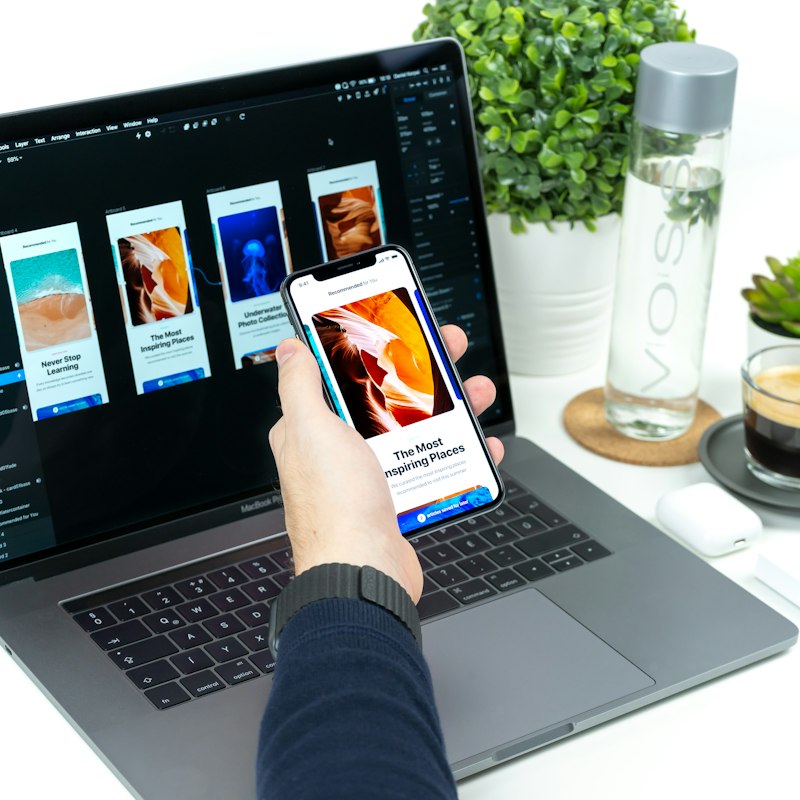
Figma's real-time experience relies on operational transforms or CRDTs layered with presence systems that show collaborators' cursors, selections, and comments live. The product designers focused on lightweight awareness: colored cursors, nameplates, and live selection outlines make collaboration legible. These visual affordances reduce accidental overwrites and signal where attention is needed during synchronous sessions.
Conflict resolution is handled by letting edits commute where possible and by defining clear precedence rules for structural changes. For example, moving objects and changing styles are optimized to avoid merge collisions, while destructive changes prompt confirmations. Figma also uses optimistic local updates and background reconciliation to keep interactions instantaneous.
Onboarding and session management are also key: easy sharing links, room-like files, and version history give teams confidence to experiment. The combination of near-zero friction for entry, real-time visibility, and robust undo history is what distinguishes Figma from single-user design apps and enabled its rapid adoption by distributed teams.