Figma's Multiplayer Design: Teardown of Real-time Collaboration Patterns
Design · 5 min read
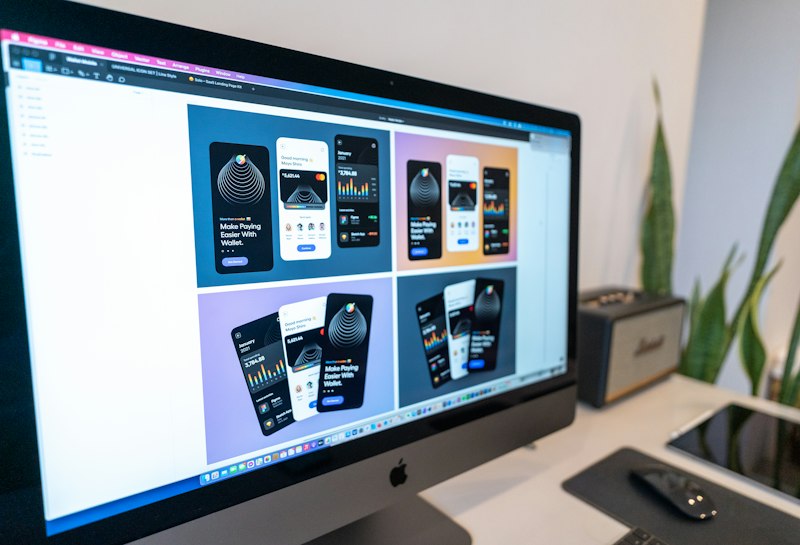
Figma's multiplayer model makes cursors and selection highlights first-class citizens, turning what used to be a single-user task into a social experience. Presence indicators, version history, and comment linking provide lightweight mechanisms for negotiation and asynchronous follow-up without breaking the visual flow.
Components and variant systems enforce design systems through reuse, while auto-layout and constraints help bridge the gap between flexible composition and responsive behavior. The inspector and right-hand properties panel keep detailed control close to the canvas, reducing mode-switching.
Because Figma is web-native, loading behavior and state synchronization are critical UX elements. The product hides network operations behind optimistic updates and graceful fallbacks, which keeps interactions fluid even in unstable environments. These engineering choices are visible in how designers experience latency and merge conflicts.