Gaming Designers: The Shift to Remote Work and Its Impact on Salaries
Gaming · 5 min read
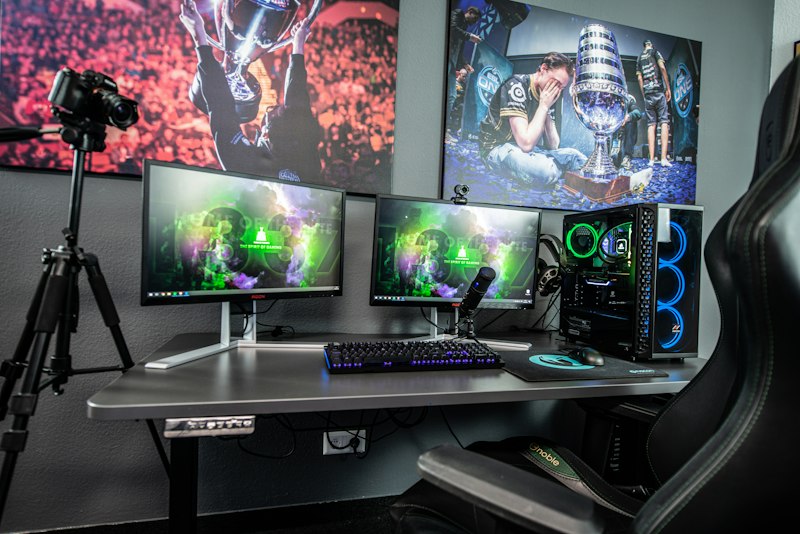
In the gaming industry, remote work has revolutionized the way designers find jobs and negotiate salaries. Many game studios, previously tethered to geographical limitations, have embraced remote talent from all over the world, leading to unprecedented increases in both competition and pay.
As studios hire globally, salaries have begun to reflect varying cost-of-living differences, resulting in a complex landscape for designers. While some regions may see stagnation or decline in pay, others are benefiting from influxes of high-paying opportunities as they cater to a broader talent pool.
Additionally, the demand for gaming designers with specific skills, such as 3D modeling and user experience design, has surged. This has further complicated salary negotiations, with experts suggesting that designers specializing in cutting-edge areas can command premium wages. However, this has also spurred studios to consider offering performance bonuses over traditional salary increases.
Overall, remote work is reshaping not only how gaming companies operate but also the financial dynamics within the industry, making it essential for designers to stay informed about market trends and negotiate effectively.