Google Maps Routing AI: How Contextual Routing Improves ETA Accuracy
AI · 6 min read
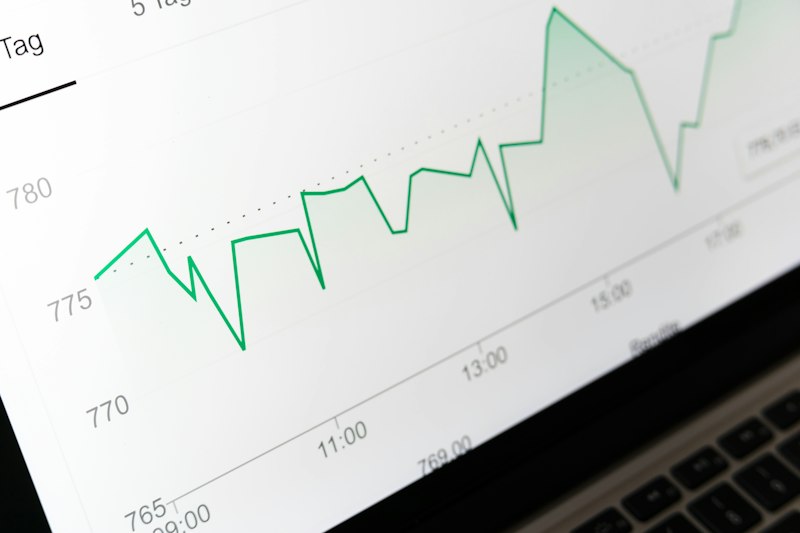
Google Maps layers multiple data sources to refine routing: historical traffic, real-time sensor and probe data, user-reported incidents, and contextual signals like road closures from local agencies. The AI models weight these inputs differently based on time of day, day of week, and event detection, improving ETA accuracy across diverse scenarios.
From a UX standpoint, Google Maps communicates uncertainty through interface cues—colored traffic overlays, dynamic ETA ranges, and alternate route suggestions updated in real time. These cues manage user expectations and allow quick route switching when predicted conditions change.
Trade-offs exist in notification frequency and cognitive load: too many live prompts can distract drivers, so notifications are prioritized by severity and likelihood of gain. The teardown recommends clearer explanations for ETA deviations and improved multimodal routing options (biking, scooters, microtransit) to better match user intent.