How AI Co‑Pilots Make Fractional Design Teams More Productive Than a Single In‑House Hire
AI · 5 min read
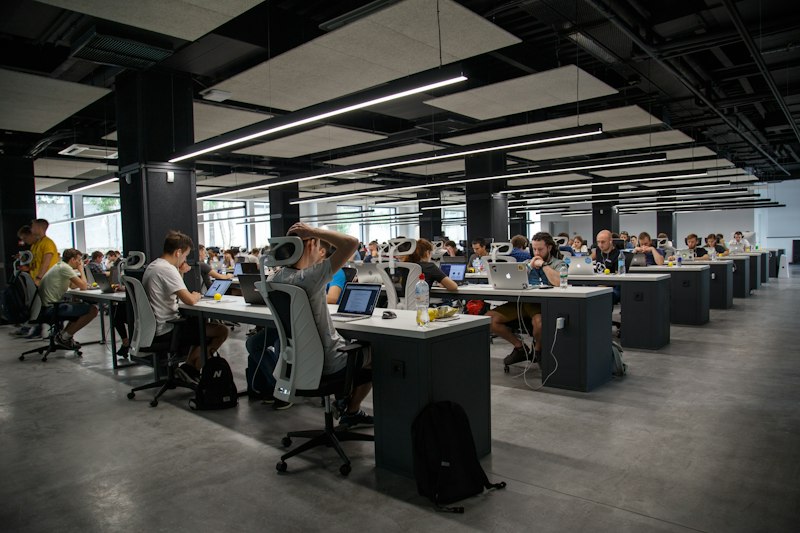
The arrival of generative design tools and AI co‑pilots (from automated asset generation to writing design tokens and component specs) has reduced the marginal effort needed to produce polished interfaces. A fractional or subscription design team that invests in these AI workflows can output at a pace that would be hard for one in‑house designer to match without similar tooling investments and process changes.
Fractional teams typically bundle expertise across visual design, UX research, prototyping, and design systems. When they layer AI into their workflows—e.g., automated accessibility checks, LLM‑generated microcopy drafts, or rapid concept exploration—they amplify their throughput. That means a product team often gets a wider idea funnel and faster iterations than what a single generalist designer can provide.
There are tradeoffs: onboarding an external team to your product context still requires setup time, and AI can introduce consistency or IP concerns if not governed correctly. But in many cases, the incremental cost of adding AI credits and integrating co‑pilots into collaboration tools is lower than hiring, onboarding, and retaining a senior full‑time designer who can replicate the same breadth of skills.
For design leaders, the practical takeaway is to evaluate outcomes rather than headcount. If the goal is rapid concept validation, multiple design sprints, and a steady stream of polished deliverables, a subscription team empowered by AI often provides a better cost‑to‑value ratio than a single in‑house hire—especially for small to medium product orgs that need flexible capacity rather than continuous full‑time coverage.