How Shopify's Polaris expanded for neurodiverse users: a design systems playbook
Design · 6 min read
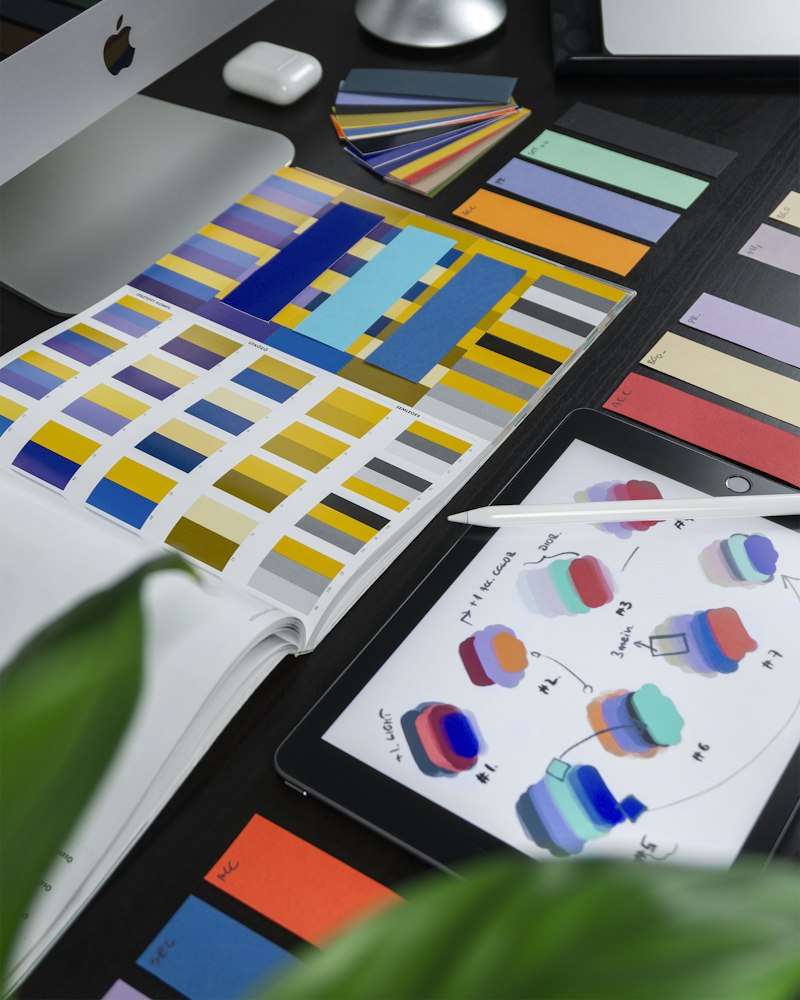
The Polaris team approached neurodiversity as a product surface problem, extending components to include sensory profiles and readability variants. The update includes a 'low sensory' mode with reduced motion, simplified animations, higher information density control, and optional guided prompts to reduce cognitive load. These profiles are implemented as design tokens and component modifiers so they can be toggled without rewriting UI logic.
Polaris also published a pattern library for progressive disclosure and chunked content that pairs with the new sensory tokens. Designers are encouraged to create affordances that let users opt in to richer experiences instead of forcing them by default. Importantly, Polaris documented testing recipes and recruitment criteria for neurodiverse playtests so teams can validate assumptions with real users.
Other organizations are already adopting the playbook because it presents concrete, system-level changes rather than one-off fixes. The key lesson in Polaris' public notes is that inclusive features succeed when they're baked into tokens, documented as part of component contracts, and supported by automated checks and research-backed playtests.