Hybrid hiring: the sweet spot between a full‑time designer and a subscription team
Design · 6 min read
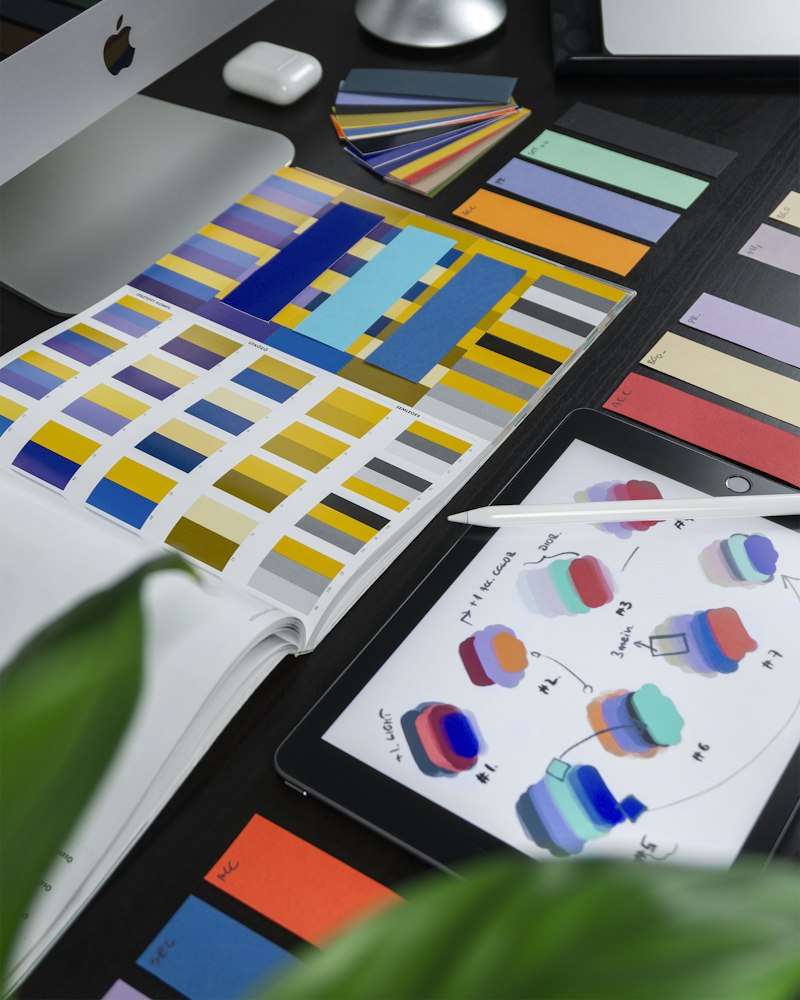
Hybrid arrangements are increasingly popular for growth-stage companies that need steady product ownership plus episodic bursts of specialized work. The typical setup places a product designer or design lead in-house to own roadmap, governance, and cross-functional relationships, while the subscription partner supplies extra bandwidth, researchers, and niche skills like motion or AR prototyping. This preserves cultural continuity without sacrificing access to scale or specialist craft.
For hybrids to work, you must codify communication rhythms: weekly backlog syncs, quarterly planning workshops, and shared async artifacts in a single source of truth. The in-house designer functions as the gatekeeper for design decisions and acceptance, ensuring external contributors funnel work through established design‑ops processes. Regular pairing sessions and joint critique reviews help transfer tacit knowledge and smooth out stylistic differences.
Budgeting and performance measurement should reflect the model’s dual nature. Track ownership-based metrics—time to implement, component reuse rate, and feature success for the in-house role—alongside throughput and delivery quality for the subscription partner. Done well, hybrids offer the resilience of full-time coverage with the elasticity of on-demand talent, often providing the best ROI in the scale-up phase.