Inclusive Component Patterns for Multimodal Interfaces
Design · 6 min read
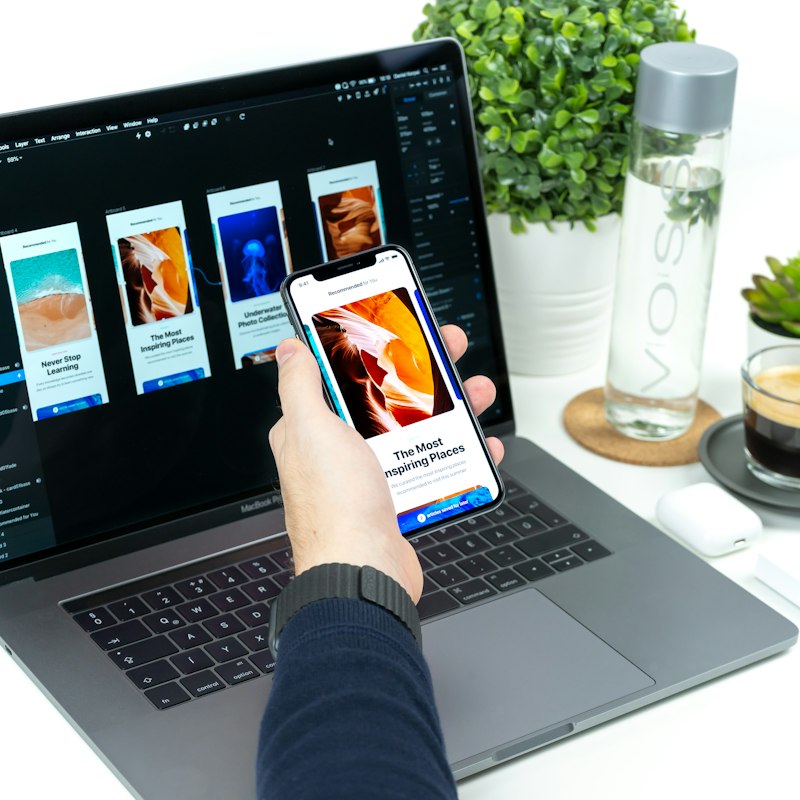
Design systems historically focused on visual and mouse/keyboard inputs, but today components must participate in multimodal interactions. That means exposing metadata for voice labels, gesture affordances, and focusable regions that can be consumed by voice assistants, eye trackers, and gesture engines.
A practical example is a list item component that has separate tokens for its visual label, its speech label, and its concise announcement used in screen-reader summaries. Another pattern is making interactive hit targets configurable: components expose a hitArea token so designers can increase touch targets without altering visual size, ensuring both aesthetic and accessibility needs are met.
Documenting these multimodal contracts in component specs — including examples, recommended ARIA roles, and sample utterances for voice flows — helps cross-functional teams design consistent experiences across platforms. Governance that includes voice designers and accessibility specialists ensures components evolve with new input modalities.