LexiCheck open-sources a design-system plugin to enforce inclusive language
Tech · 4 min read
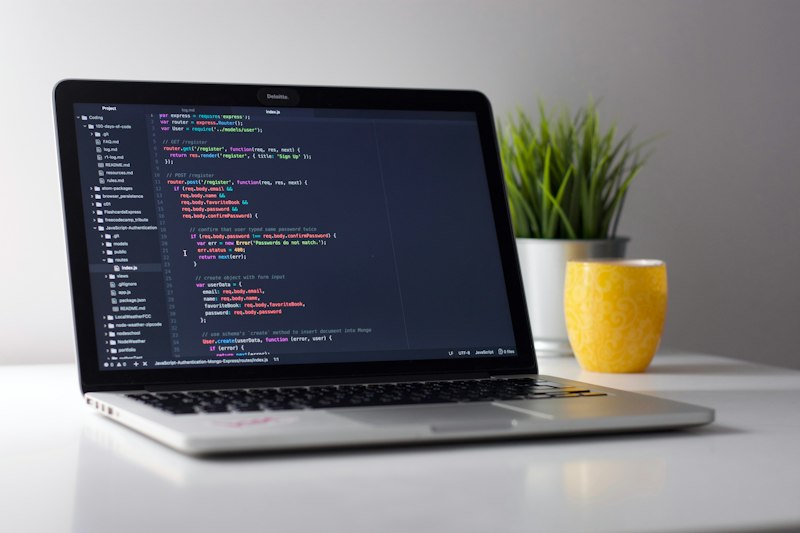
Today LexiCheck unveiled a plugin that hooks into design tools, Storybook instances, and documentation sites to scan copy in contexts where components are assembled. Instead of only linting code comments or markdown, LexiCheck examines component labels, placeholder text, error messages, and even microcopy embedded in Figma prototypes, surfacing suggestions for more inclusive alternatives.
The plugin works with customizable rule sets so teams can define organizational voice and terms to avoid. For example, it can recommend neutral alternatives to gendered language, flag ableist metaphors, and propose culturally sensitive phrasing. LexiCheck also produces reports that map where problematic phrases occur across a design system—making it easier for content designers and UX writers to prioritize updates.
Integration with CI/CD means a PR that introduces non-compliant copy can fail pre-merge checks, pushing accountability earlier in the workflow. LexiCheck's maintainers emphasized that the tool is prescriptive but not prescriptive-only: suggestions are surfaced with rationale and sources so teams can make considered decisions rather than accepting blind replacements.
Advocates say this approach helps scale inclusive language as systems grow and components are reused in unexpected contexts. Critics point out that automated checks can't replace human review, especially for sensitive cultural or localizations decisions. LexiCheck's roadmap includes better localization rules and community-curated term lists to address those gaps.