Merging Art and Technology: A Case Study of Canva
Design · 6 min read
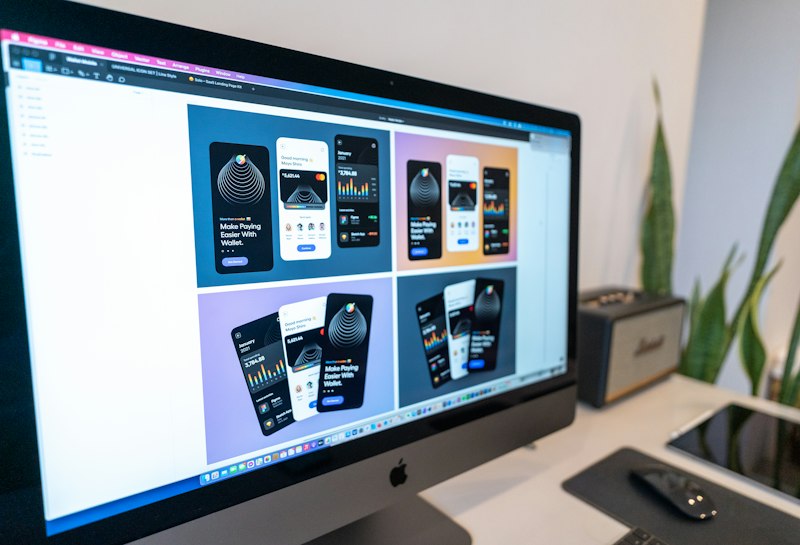
Canva's mission to democratize design is achieved through a well-crafted user interface that emphasizes simplicity and accessibility. With drag-and-drop functionality and a plethora of templates, users can create professional designs without prior experience. The clean layout ensures that toolbars and options do not overwhelm users, making design approachable for everyone.
The collaborative features of Canva, which allow users to share projects and edit in real-time, are well implemented. This fosters teamwork and creativity, making it an invaluable tool for professionals and casual users alike. User feedback was integral in refining these collaborative elements, leading to enhanced usability.
Canva’s extensive library of images, fonts, and elements—combined with powerful tools like resizing and background remover—ensures users can create diverse content easily. This focus on a holistic user experience keeps users coming back for more projects.
In analyzing Canva's success, we see how UX can make a significant impact on a product's adoption. The case study serves as a blueprint for aspiring designers aiming to democratize niches within the digital landscape.