Modular HUDs and Dynamic Scaling: Inclusive UI Patterns for Live Service Games
Gaming · 5 min read
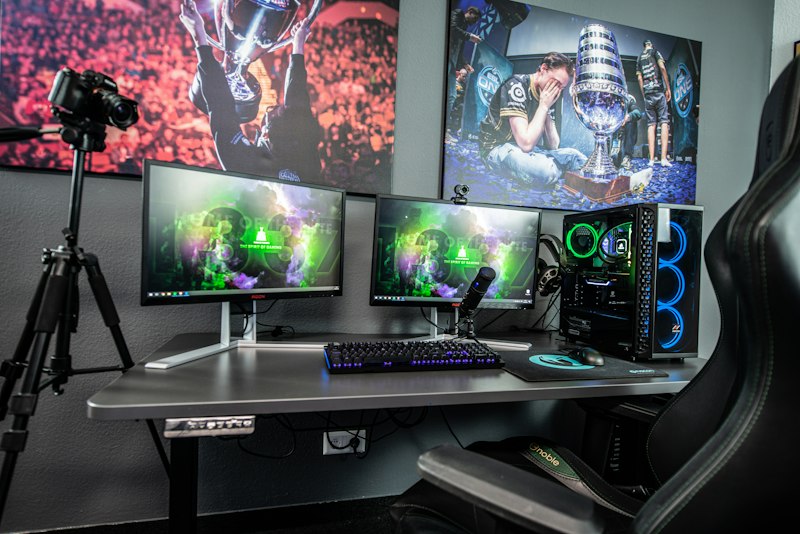
Game UIs historically hardcoded heads‑up displays (HUDs) based on fixed screen layouts, which posed challenges for players with visual processing, motor, or cognitive differences. Modern live service titles are shipping modular HUD frameworks where elements are independent modules: chat, minimap, ability bars, and objectives can be resized, snapped, hidden, or repositioned by players.
Design systems for these games go beyond visual layout. They define interaction affordances, minimum hitbox sizes, and input abstractions so that remapped controls and assistive hardware interact predictably with UI elements. Developers are also exposing configurable visibility rules—players can set contextual opacity and simplify animations for clarity or motion sensitivity.
Performance is central because dynamic UIs must run smoothly across hardware. Engineers use data‑driven presets and safe zones derived from telemetry to propose accessible default layouts without compromising competitive balance in multiplayer modes. Testing includes sessions with adaptive controller users and people with low vision to validate presets and edge cases.
The result is a living design system for game UIs that supports immediate personalization and long‑term governance. Studios maintaining these systems treat modular HUDs as first‑class assets, shipping updates and community‑created presets alongside cosmetic content so accessibility improvements propagate quickly across live builds.