Rapid Iteration for Games: When Fractional UI/UX Teams Make Sense in Game Development
Gaming · 4 min read
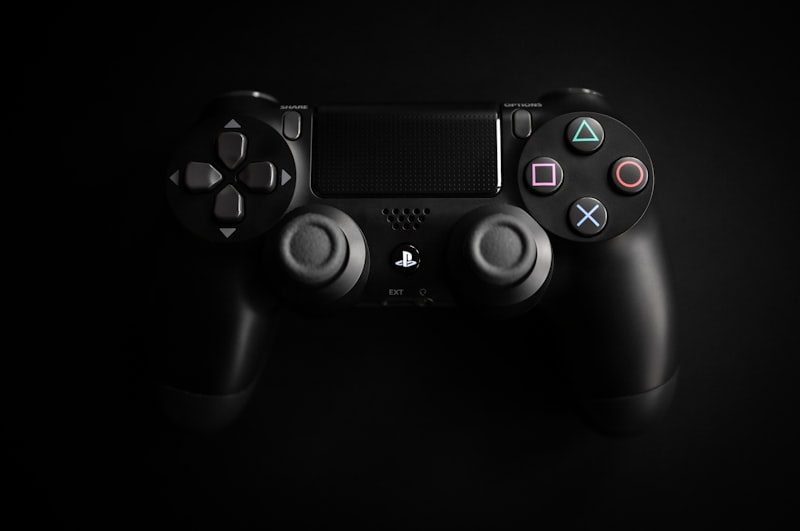
Game development cycles feature concentrated bursts of UI/UX work—menus, HUD polish, onboarding flows—followed by periods focused on mechanics or content. For many studios, keeping a full-time UI specialist year-round is inefficient. Fractional design teams can sprint on polish before launch, design A/B variants for monetization experiments, and support seasonal live-ops without long-term headcount commitments.
Another advantage is specialization: subscription teams often include designers experienced with accessibility in games, motion-driven interfaces, and localization considerations. They can quickly prototype controller-friendly navigations or iterate on HUD density for different screen sizes. Studios running multiple titles benefit from cross-pollination of design patterns and performance learnings that a fractional provider brings.
Trade-offs include less embeddedness in studio culture and potential latency in art-team handoffs. To mitigate this, studios should define tight integration points—design tokens, art pipelines, and sprint rituals—and retain an internal product designer to manage continuity. For many teams, the hybrid model (fractional specialists plus a core in-house lead) delivers the fastest path to polished, player-friendly interfaces.