Remote Work Trends for Designers in 2026
Design · 5 min read
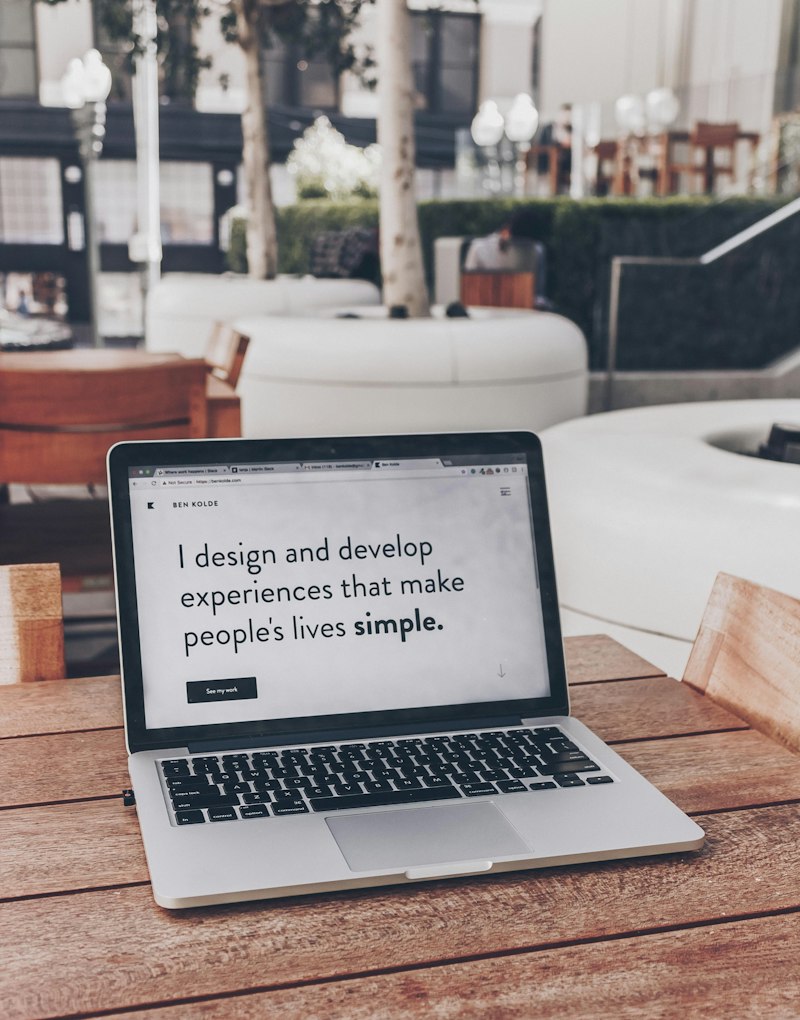
As remote work continues to solidify its presence in the design sector in 2026, it has fundamentally transformed the way designers approach their careers. Many companies now embrace fully remote or hybrid work models, providing designers with the flexibility to work from anywhere. This shift has not only increased job availability but also allowed companies to tap into global talent, diversifying their teams.
The remote work trend has also influenced salary structures. Designers are now negotiating salaries based on their skills and experiences rather than geographic locations. Companies are striving for competitiveness in compensation packages, leading to more transparent salary structures and potential benefits including stipends for home office setups.
Additionally, the remote culture has prompted companies to invest in digital collaboration tools that enhance team communication and project management. Designers are required to be adept at utilizing these tools to ensure seamless workflows and maintain productivity. Familiarity with platforms like Miro, Figma, and Slack has become essential in demonstrating one's competence as a remote designer.
For professionals, adapting to a remote work environment involves cultivating strong self-discipline and time management skills. To thrive in this setting, designers must be proactive in networking and staying connected with their peers and mentors through virtual meetings and social media engagement. Overall, the remote work landscape is reshaping how designers collaborate, communicate, and grow their careers.