Remote-First Design Systems: New Patterns for Inclusive Distributed Teams
Tech · 5 min read
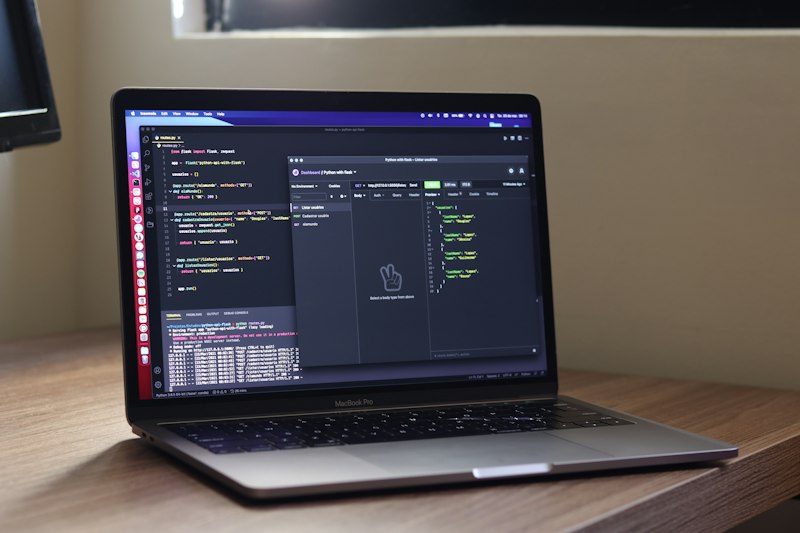
Design system stewards are publishing recommendations tailored to remote-first teams that want to bake accessibility into their workflows. Key patterns include pairing designers with accessibility experts for component sign-off, using token-driven design to minimize platform drift, and embedding accessibility tests into pull requests to ensure regressions are caught early. The guidance emphasizes asynchronous artifacting—clear component specs, recorded micro-interactions, and accessible examples—so teams in different time zones can validate behavior without synchronous handoffs.
Another recommendation is to create a living 'inclusion catalog' inside the system: short, focused docs that explain why a component behaves in a certain way for assistive technologies, including edge-case handling and examples in multiple languages. Combined with CI-integrated audits and automated changelogs that highlight accessibility-impacting changes, teams can maintain a historically auditable trail of decisions and remediations.
Designers who tested these patterns said they helped remove the invisible advantage of being in the same room as an engineer or product lead, leveling participation for folks with caregiving commitments or different working hours. Organizations that adopted the patterns reported faster resolution of accessibility bugs and greater designer confidence when reusing components in unfamiliar contexts.