Slack Threads Redesign Teardown: Balancing Context and Focus
Design · 5 min read
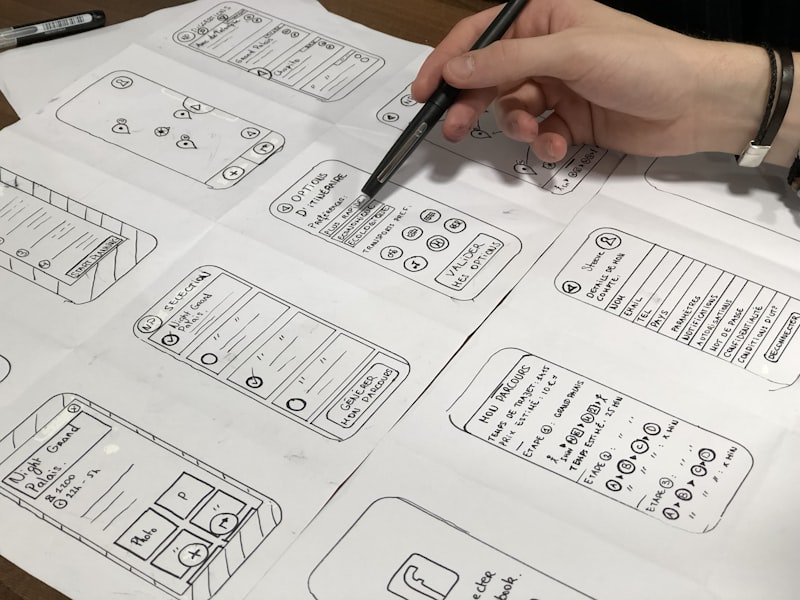
Slack introduced clearer threading affordances to address the problem of public channels becoming fragmented. The redesigned threads view de-emphasizes chronological noise by surfacing thread context, replies, and a persistent compose area. Visual hierarchy is driven by contrast, spacing, and avatars, making it easier to scan who said what and where follow-ups live.
Interactions pivot on lightweight discovery: a dedicated threads pane, improved unread counts, and inline shortcuts reduce cognitive overhead for switching contexts. However, these changes require users to adapt habits; older users resisted until notification heuristics were tuned so important messages still break through. Slack used telemetry to find thresholds where threaded views improved task completion and reduced missed messages.
For teams rethinking collaboration tools, the lesson is to provide distinct spaces for divergence while keeping them discoverable from the main flow. Nudges and onboarding that explain why to use threads — backed by small performance wins — help shift long-standing behaviors.