Speed and Specialization: How On-Demand Design Talent Beats Jack-of-All-Trades In-House Roles
Design · 4 min read
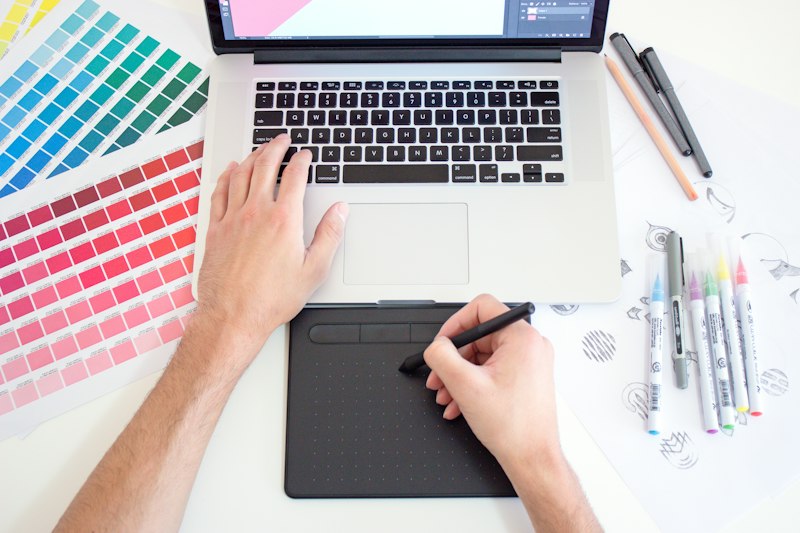
The single-designer model can feel economical on paper but often forces designers into stretching across research, high-fidelity UI, motion design, and front-end handoff—typically resulting in slower delivery and lower quality in priority areas. On-demand design teams let companies requisition the exact skill set needed for each phase, whether it’s a 2-week user research blitz or a month-long visual system overhaul.
Specialists work faster because they bring domain-specific templates, heuristics, and libraries. A motion designer who spends every week building micro-interactions can produce significantly higher-quality animations in a fraction of the time a generalist would take to learn best practices and create them from scratch.
That speed translates into reduced design debt. Subscription teams can also run audits and implement governance—design tokens, component libraries, and accessibility standards—that one generalist rarely has time for. For product teams racing to prove retention and conversion metrics, the ability to apply specialized talent precisely where it matters shortens feedback loops and improves outcomes.