Spotify Collaborative Playlists Redesign: A Product and Interaction Teardown
Design · 5 min read
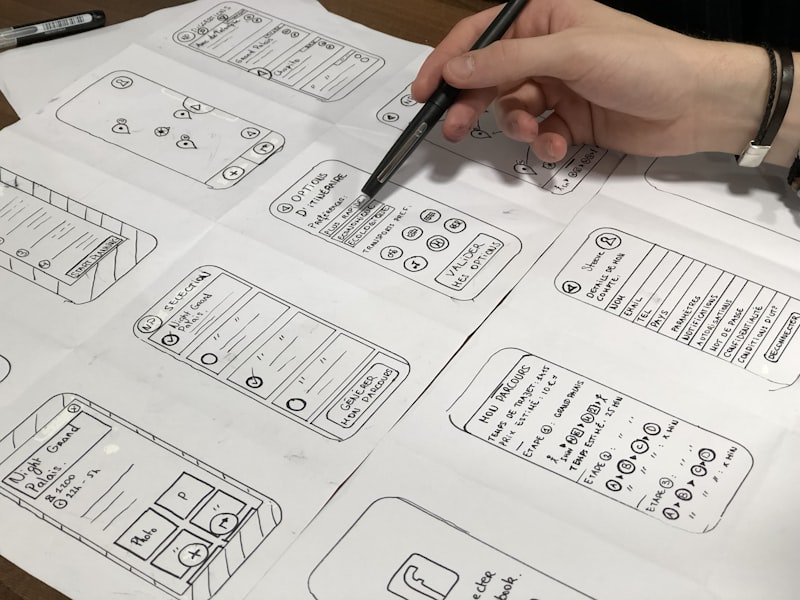
Spotify repositioned collaborative playlists from ad-hoc shared queues to structured living documents with roles, suggestions, and lightweight moderation. The UI now allows curators to pin songs, propose edits, and vote, minimizing friction when groups with different tastes build a list together.
Technically, the system tracks provenance metadata for each track addition and uses lightweight signals (votes, skips, saves) to surface implicit endorsements. That data feeds new discovery surfaces and helps resolve conflicts when users attempt simultaneous edits.
The redesign improved social play in households and communities but risked over-formalizing casual listening. We recommend a two-mode approach: a 'party mode' with minimal controls and high frictionless contribution, and a 'curator mode' for persistent, high-quality shared playlists — the latter should include version history and simple rollback to avoid collaboration deadlocks.