The Design Evolution of Fortnite: A Player-Centric Analysis
Gaming · 6 min read
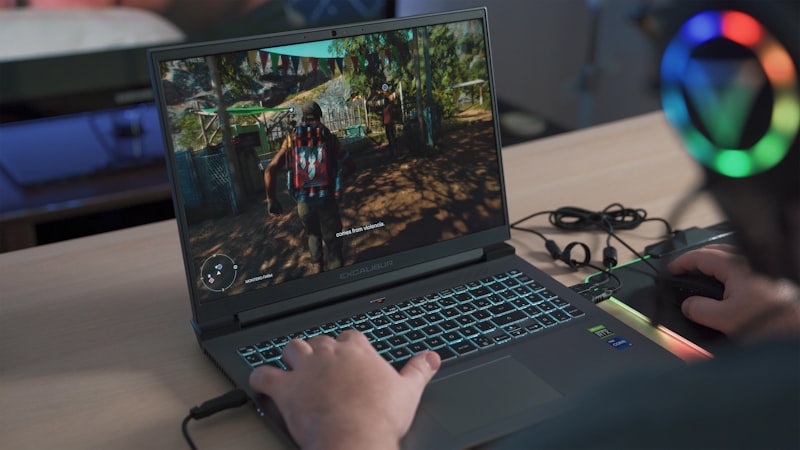
Fortnite has become a cultural juggernaut, blending gaming with social interaction through its unique design. The colorful graphics and vibrant world create an immersive experience that allows players to engage in both competitive and cooperative gameplay effectively. This visual appeal is complemented by a low barrier to entry, as it is accessible across multiple platforms, making it easy for friends to join together.
One major aspect of Fortnite’s design is the frequent updates that introduce new content, events, and game mechanics. These changes keep the gameplay fresh and encourage players to return regularly. Seasonal events and themed content cater to the community's interests, creating a sense of anticipation and engagement.
Additionally, Fortnite excels in fostering a sense of community through social features such as voice chat and parties. The ability to communicate with friends during gameplay enhances collaboration and adds a layer of social interaction rarely seen in traditional gaming experiences. Community-driven content, like user-generated skins and dances, also democratizes the creative process and strengthens player investment.
In essence, Fortnite’s design emphasizes community building alongside competitive gameplay, making it an essential case study for game designers. By prioritizing player engagement and adapting to user feedback, Fortnite remains a dominant force in the gaming industry.