When a subscription design team beats hiring your first in‑house designer
Design · 8 min read
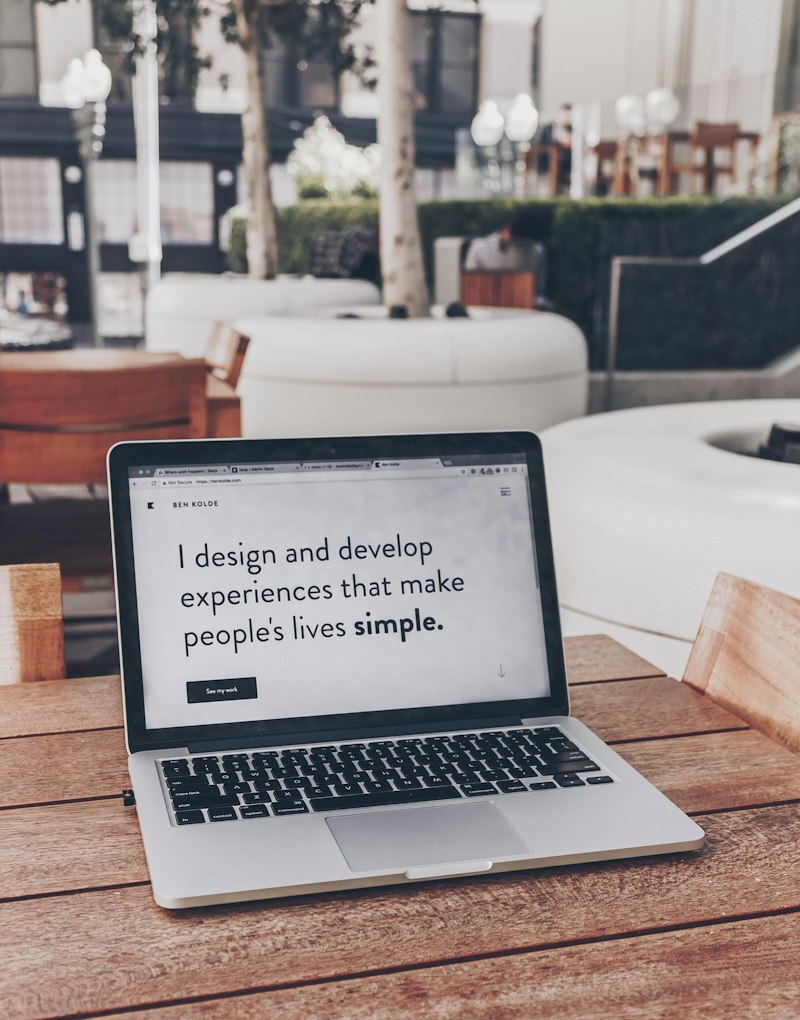
At SatisfiedUser™ we talk to product leaders every week who face the same hire-or-subscribe dilemma. The decision feels binary: bring a designer on payroll and embed them in the product organization, or pay for a subscription design team that delivers outcome-driven work on a defined cadence. Both paths are valid. The right choice depends on product maturity, the type of design work you need, time horizon, and organizational bandwidth for hiring and management.
Start with the problem you need to solve, not the headcount. Hiring is attractive because it signals long-term investment in design, but the signal matters only when the person you hire will be enabled to do long-term, high-impact work. A subscription design team is typically the better option when you need a breadth of skills quickly: research, interaction design, visual design, prototyping, and interaction engineering. It’s also preferable when you need outcomes on a steady cadence without the lag of recruiting, onboarding, and training.
Three immediate advantages of a subscription design team
Speed: Subscription teams start producing within weeks. They bring tried processes, templates, and a playbook for scoping work. For product teams under time pressure, that speed converts directly to learning and feature velocity.
Breadth and seniority: A subscription team usually includes multiple specialists. You can access senior designers for strategy and research alongside mid-level execution designers. Hiring your first in-house designer rarely buys that combination of depth and range.
Predictability and cost control: Subscription engagements are often scoped as retainer slots or monthly packages. That predictability makes budgeting easier than the variable costs of recruitment, benefits, and the hidden overhead of training.
When hiring in-house is the right choice
Hire when design needs to be a persistent competency embedded in product decisions. If your roadmap requires continuous, day-to-day design presence in cross-functional rituals—design critiques, daily standups, close partnership with engineering—an in-house hire can be pivotal. Hiring is also the right call when you need to grow a design culture, mentor junior designers, and own long-term design system work that benefits from institutional memory and proximity to leadership.
A decision framework we use
1) Scope of work: Is the work episodic (campaigns, launches, research sprints) or continuous (feature-by-feature partnership)?
2) Skill diversity required: Do you need researchers, visual designers, UX writers, motion designers, or a single generalist?
3) Time to impact: How quickly must the work start delivering measurable outcomes?
4) Budget horizon: Are you looking at 6–12 months or multiple years?
5) Organizational bandwidth: Do product managers and engineering leads have time to manage and mentor someone new?
If you score towards episodic, high-skill diversity, short time-to-impact, and limited hiring bandwidth, subscription design wins. If you score towards continuous presence, investment in culture, and a long-term hiring commitment, prioritize an in-house hire.
How to structure a successful subscription engagement
Onboarding: Treat the subscription team like a core unit, not an external vendor. Invest one week in focused onboarding: priorities, roadmaps, brand foundations, key user personas, and access to data. Provide a single product lead as the point of contact.
Cadence and deliverables: Define a monthly cadence of outcomes—not just hours. For example: one user research sprint, two feature flows, and a design system increment. Agree on artifacts and acceptance criteria for handoffs to engineering.
Knowledge capture: Require a living repository of decisions, research insights, and component specs. This mitigates the common risk that design knowledge disappears when a subscription engagement changes.
Performance metrics: Focus on impact metrics such as time-to-prototype, user insights generated, unblocked engineering sprints, and feature adoption. Avoid measuring output purely by wireframes or mocks delivered.
When to transition from subscription to an in-house team
Many teams start with subscription design and transition to in-house as product maturity and design needs evolve. Consider transitioning when:
- Product decisions require daily design presence in cross-functional negotiation. - You need an in-house designer to take ownership of the design system and training. - The value of embedded design influence is consistently measurable and exceeds the cost premium of hiring.
If you plan a transition, bake it into the subscription agreement: phased knowledge transfer, shadowing, and documentation handoffs to minimize continuity risk.
Common objections and how we address them
“Subscription teams don’t understand our product.” Mitigate this by investing in the onboarding week, synchronous design workshops, and granting access to users and analytics.
“We’ll lose institutional knowledge.” Require a formal knowledge-transfer plan and make the subscription team produce reusable artifacts, not throwaway deliverables.
“It’s cheaper to hire one designer.” True on paper sometimes, but costs of slow ramp, mistakes from inexperience, and siloed skills can exceed the apparent savings.
Final checklist before deciding
- Have clear success criteria for the first 3, 6, and 12 months. - Identify the exact mix of skills needed and whether they must be embedded daily. - Decide what continuity and documentation you expect at contract end. - Build a governance model: who prioritizes design work and how is scope adjusted.
Both models are tools. At SatisfiedUser™ we prefer the subscription posture for fast-moving teams that need design range, quick validation, and predictable investment. We recommend in-house hires when long-term presence, culture-building, and day-to-day influence are strategic priorities. Choosing the right tool at the right stage is what accelerates product outcomes and keeps design accountable to business results.
If you’d like a quick decision rubric tailored to your roadmap and hiring budget, we’re happy to help you run it against your current priorities.