Why a Series A SaaS Startup Ditched Features to Rebuild Its Core Flow
Design · 5 min read
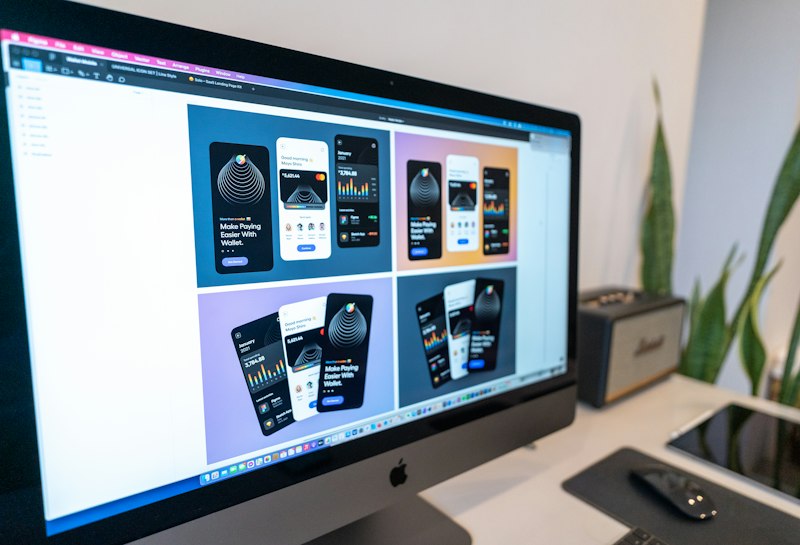
The startup, a recruiting workflow SaaS at Series A, faced low activation despite strong signups. User interviews revealed two problems: feature bloat and unclear first-run success. Rather than iterate on individual UI components, the product team decided to prune peripheral features and reframe the first-run experience around one demonstrable outcome: a published job with a candidate pipeline starter.
Designers mapped the previous onboarding as a seven-step funnel and condensed it into three steps with clear success criteria and contextual microcopy. They introduced a “complete one job” first-run checklist, removed advanced settings from the initial modal, and delayed integrations to a later milestone. Prototypes were tested with 25 beta users and iterated over three sprints.
Within six weeks post-launch, time-to-first-success dropped from 18 minutes to 7 minutes and activation (users completing the core workflow) rose 32%. The team used the runway saved by improved unit economics to re-prioritize a roadmap focused on depth rather than breadth. This case highlights how product decisions that reduce cognitive load can outperform adding new capabilities when user goals remain unclear.