Zoom's User Experience: Adapting Interface During Crisis
Design · 6 min read
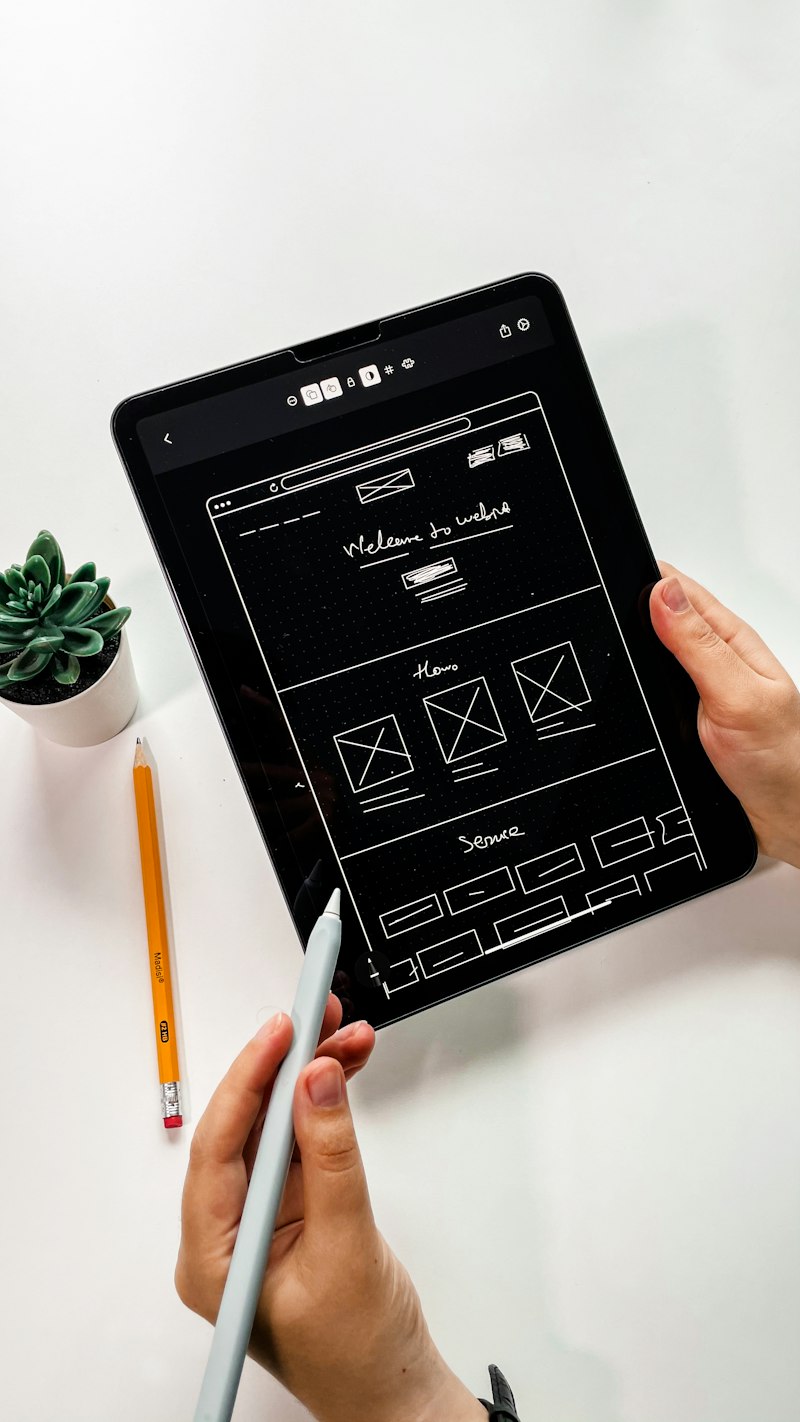
Zoom's rise to prominence during the COVID-19 pandemic was accompanied by rapid user growth, necessitating significant adjustments in its user interface to accommodate a burgeoning user base. The design team's focus quickly shifted to improve usability, security, and overall user engagement as remote work and virtual gatherings became the norm. Examining the app’s changes provides valuable insights into adapting UX design in response to unprecedented demand.
One notable change was the simplification of the meeting interface, streamlining controls to make it easier for users of all tech proficiencies to navigate. Features such as virtual backgrounds, reactions, and breakout rooms were integrated, enhancing the interactive experience while maintaining simplicity and accessibility at the forefront of design priorities.
Additionally, Zoom implemented new security measures in response to user concerns, adding features like waiting rooms and enhanced controls for meeting hosts. These modifications not only addressed safety issues but also demonstrated the app’s commitment to user trust and satisfaction. The design changes garnered positive feedback, helping to solidify user loyalty during a challenging time.
Ultimately, Zoom's responsive design decisions amid the pandemic highlight the importance of adaptability in user experience. The app’s ability to pivot quickly and enhance its design not only met user needs but also set a benchmark for how technology can support community engagement in times of crisis.